
October 05, 2026




Every parish has one: the drowned bride in the millpond, the bell buried under the crossroads, the tunnel that supposedly runs from the pub cellar to the church. You hear it at the bar, on a guided walk, from an aunt who swears her grandmother knew the man it happened to. Sooner or later you want to tell it yourself.
That itch is worth following. But a story that has been passed around a community for two centuries arrives with baggage: half-remembered names, borrowed motifs, tidy additions from whoever told it last. Retelling it well — at a storytelling night, in a school, on a podcast, in print — means doing some quiet homework first. Not to drain the life out of it, but to know which parts are yours to shape and which parts belong to the people who kept it alive.
There is little point beginning in the archive. Begin with the living story. Ask around for the person who tells it best — the one who gets asked at family gatherings — and ask them to tell it to you properly. Listen without interrupting. Then ask the questions that matter: who told you this, when did you first hear it, has the ending always been that way?
Write down the teller's name, the date, and where the telling took place. If they are happy to be recorded, record it. Take notes in their words rather than your paraphrase, even when the grammar wanders. Those turns of phrase are often the oldest part of the story, and they are the first thing lost when a tale is tidied up on paper.
Once you have the living version, work backwards. County record offices, local studies libraries and university special collections hold far more than people expect: parish magazines, nineteenth-century county collections, antiquarian society transactions, old newspapers, school log books, guidebooks, tithe maps and Ordnance Survey name books.
Two warnings. First, a printed version is not automatically older or truer than a spoken one. A tale collected in the 1890s by a clergyman with an eye on publication may have been smoothed, moralised, or given a grander ending than the version told in the kitchen. Second, use folklore journals and motif indexes to find cousins of your tale, not to prove where it came from. Resemblance is a lead, not a conclusion.
Collect at least three tellings before you commit to a shape. Lay them out against each other and mark what each one does, rather than blending them into a single clean version. The differences are the interesting part: they show you what different tellers believed the story was about.
An element-by-element comparison is easier than it sounds. Note, for each version:
If one version ends in grief and another in a punchline, resist the urge to merge them. Choose. A story told with conviction beats a story that tries to carry everything.
Local detail is what separates a folktale from a generic fairy story, and it is where retellers cheat most often, inventing a quaint cottage and a windswept moor when the real material is better. Look for:
Get these right and the fantastical parts become easier to believe. Get them wrong and your audience may be local enough to notice.
Some tales are entertainment. Others are still doing work: warning children away from water, remembering a disaster, or carrying a family's grief. Before you perform a story tied to a particular family, trade or community — mining, fishing, farming, Traveller and Romani families among them — ask permission, and be ready to hear no. If the story belongs to a group you are not part of, think hard about whether you are the right person to tell it, and who should be credited or paid.
Credit everyone: the teller you recorded, the collector whose notes you used, the archive that holds them. If you cannot say where a version came from, do not perform it as fact. An honest "the earliest written version I found was…" is far better than a vague claim about ancient tradition.
Keep this with your notes and work through it before you commit a version to memory.
The work sounds like the opposite of storytelling, and in a way it is. It is also what earns you the right to change the story later. Know the ground thoroughly, then let the telling take off.
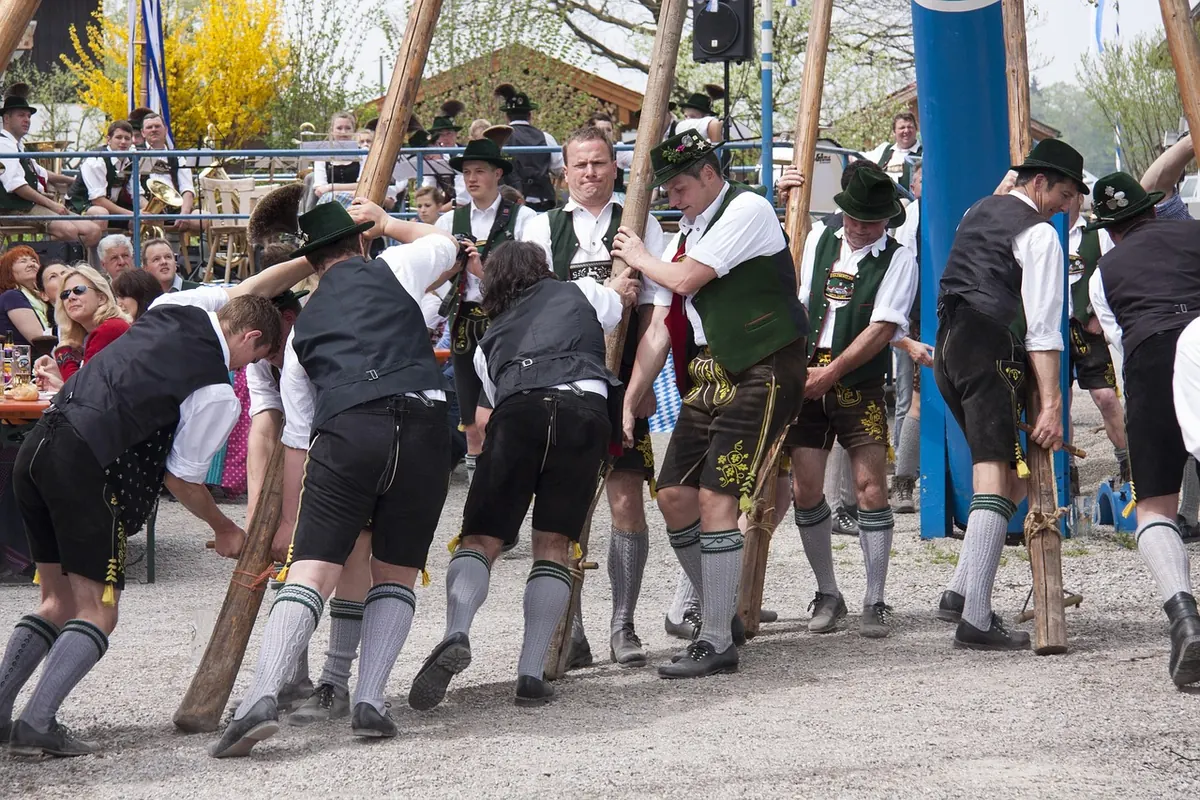
Photo: analogicus / Pixabay
Timeless tales and fables for every reader.
Copyright © 2026 Fable Page. All rights reserved. Fable Page.