October 05, 2026




Fairy tales were never children's literature to begin with. They were told after dark to mixed audiences, and they carried the appetites and fears of the worlds that made them: hunger, abandonment, violence, the raw gamble of marriage. When you adapt one for a modern child, you are not correcting an old mistake. You are inheriting a living thing, and living things change. The work is to change the surface without gutting the engine — the part that makes a child lean forward and ask for it again tomorrow night.
Write down, in one sentence, what the story is actually about. Not the plot — the spine. Cinderella is not really about a shoe; it is about someone belittled who keeps on being generous, and is seen at last. Hansel and Gretel is about children who have been let down discovering they can save themselves. Rumpelstiltskin is about the cost of a promise made in panic.
Keep that sentence beside you and test every edit against it. If a change serves the spine, you have permission to be bold with everything else. If it does not, it is decoration, and decoration is what makes an adapted tale feel thin. The spine often hides in a repeated detail — three attempts, seven brothers, a name nobody can guess. Those are not padding; they are load-bearing beams.
Old words stop children cold. Betwixt, ere, sundry, bade — out they go, unless you are deliberately performing a period voice and can make the strangeness part of the pleasure. But do not trade the old music for flat, cheerful prose. Fairy tales live in rhythm.
Shortening is not the same as tightening. A well-told long story holds a child better than a clipped one. Cut what bores; keep what builds.
Children need stakes. They do not need gore. The difference between a story that frightens a child usefully and one that tips them into real distress is usually a matter of distance and agency.
Strip out every drop of danger and you get a story nobody remembers. Keep one clear fear, then resolve it decisively and kindly.
Older tales carry older rules: beauty as virtue, marriage as the only happy ending, stepmothers as villains, obedience as heroism. You can honour a tale and still move its centre of gravity.
Ask who has agency. Give the heroine a motive beyond being pretty — a talent, a curiosity, a stubborn loyalty. She can leave the ball because she decides to, not only because a spell runs out. Marriage can stay, if you like; children do enjoy a wedding. Make it a choice, though, and let it be one good ending among others. "She went home, and the house was hers, and that was enough" closes a story perfectly well.
With the wicked stepmother, you have options. Keep her as a plainly fictional archetype, or replace her with a situation: poverty, an impossible bargain, a spell. Both work. Just be deliberate about which you are doing.
Shift beauty from a ranking to a particular. Not "the fairest in the land" but a laugh that carries across a courtyard, or hands that know how to mend things. And resist the lecture. A moral painted on top reads as homework, and children can smell it from the first line. Let the ending carry the weight instead.
Magic in a fairy tale is rarely the plot. It is the texture.
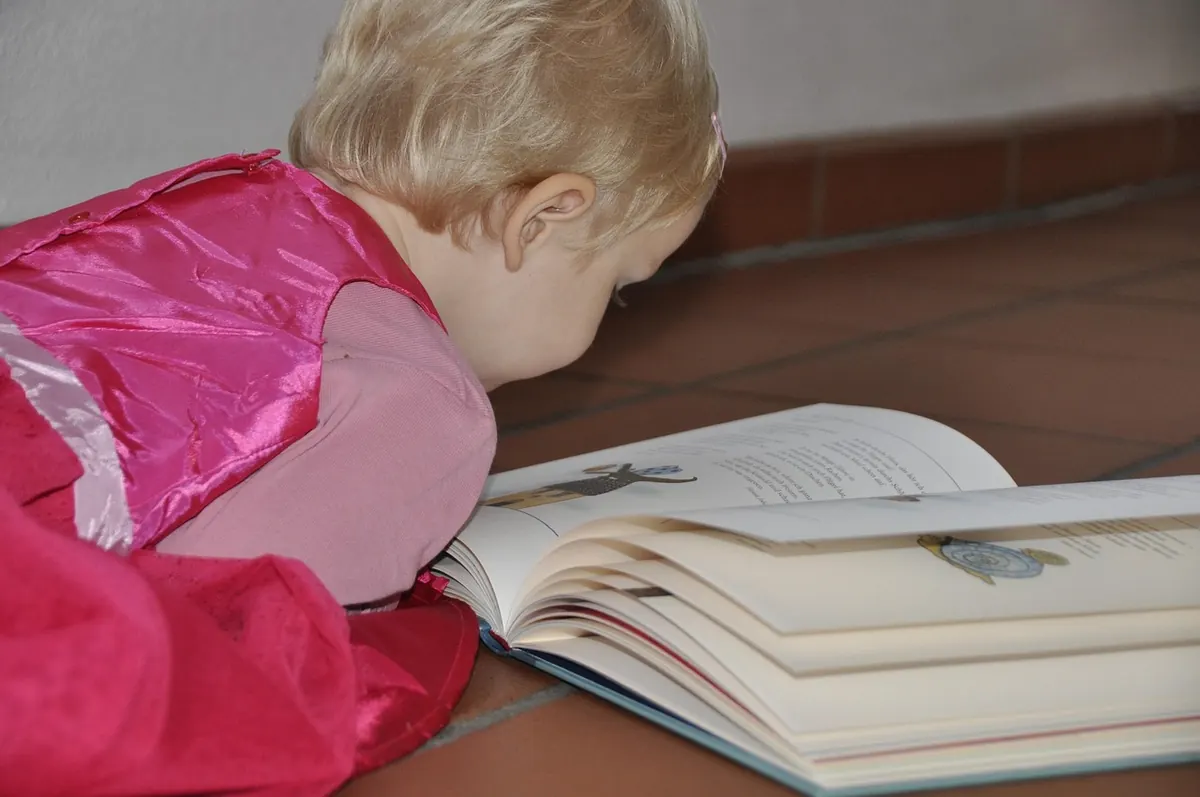
Photo: karin_van_Duke / Pixabay
Timeless tales and fables for every reader.
Copyright © 2026 Fable Page. All rights reserved. Fable Page.