October 05, 2026




Tell a child the story of the tortoise and the hare and you have given them four minutes of entertainment. Tell it well and you have given them something they will still be repeating at forty. Fables are short, but they are not simple, and the difference between a flat reading and one a child begs for again comes down to a handful of small, learnable choices.
Not every fable suits every age. For a three- to five-year-old, look for two characters, one clear action and a consequence they can see: the fox who cannot reach the grapes, the lion who lets the mouse go. There is no subplot to track and no irony to decode, which means you can spend your energy on the telling rather than on explanations.
Six- to nine-year-olds can hold more. They enjoy a fable with a twist of unfairness in it — the north wind and the sun, the bundle of sticks that only holds together when it is bound — and they will argue with you about who was in the right. Older children and teenagers take happily to trickster tales: Anansi, Brer Rabbit, Reynard the Fox. These are fables with teeth, and they reward a storyteller who is not afraid of a bit of mischief.
One practical rule: choose a fable you actually like. You will be asked for it repeatedly, and a story you find dull will sound dull no matter how good your wolf voice is.
Ten minutes with a pencil before bedtime saves you from stumbling in front of an audience. Read the fable aloud once, alone. Mark the places where a pause would land well — usually just before a character makes a decision, and immediately after the consequence. Underline any word you might trip over, whether that is persuade, plodded or sour, and decide in advance how you will say it.
Then choose your voices. Not the whole cast: two will do. Decide where a character's tone changes — the hare is boastful at the start and quiet at the end — and how you will signal that change without announcing it. The first read-aloud should never be the first read.
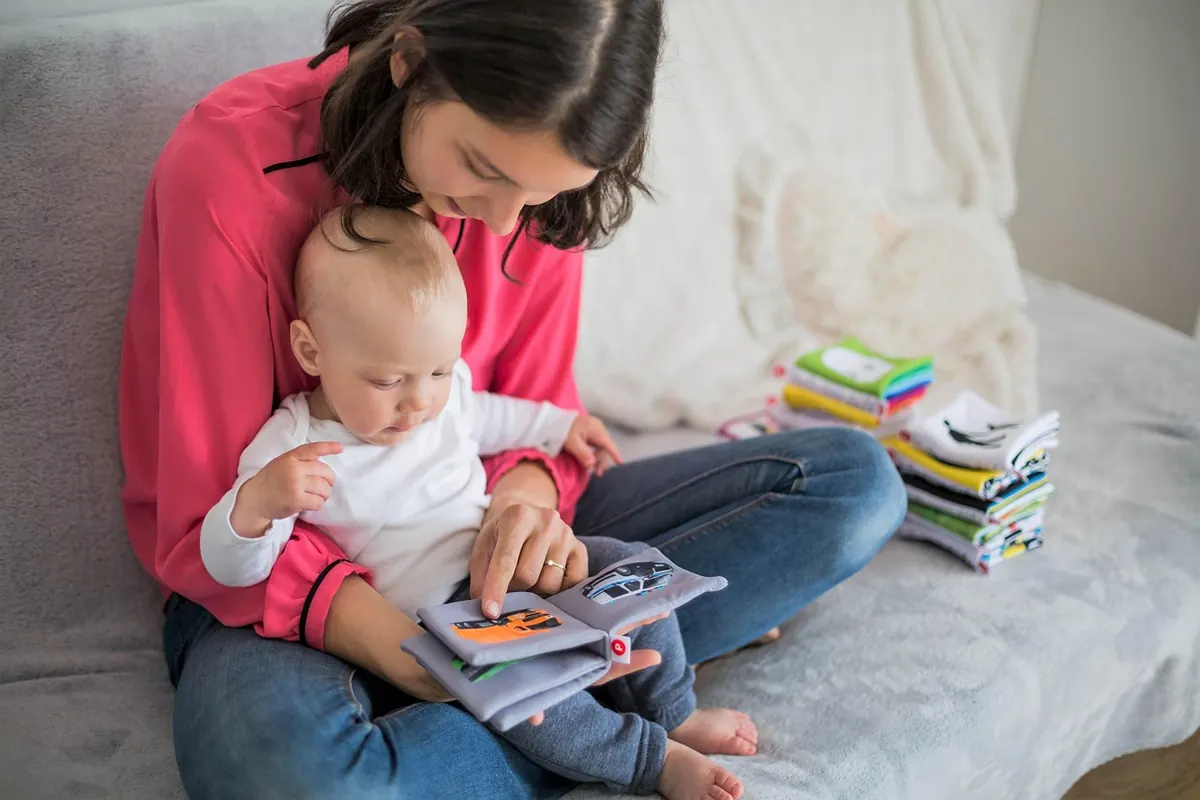
Children settle faster when the ritual is the same each time. Same corner of the room, same five minutes before lights out, phones face down on the table. Sit close enough that they can lean against you, and if the book has illustrations, decide whether to show them. There is a strong argument for keeping the pictures to yourself: a child who has to build the hare in their own head is listening far more closely than one who is studying a painter's hare.
Do not begin until they are still. A fable that starts over a squabble is a fable half heard.
Most adults read aloud roughly a third faster than a child can comfortably follow. If you feel slightly ridiculous, you are probably about right. The tortoise in your telling should move at the speed of the prose.
Every fable has a hinge. It is the moment the hare lies down for a nap, or the grapes refuse to come down. Stop there. Count two slow breaths. The pause does the work that a raised voice cannot, because the child is now ahead of you, working out what happens next, which is exactly where you want them.
You do not need accents, and accents you cannot sustain will collapse by paragraph three. Change pitch, speed and volume instead. The mouse is quick and high; the lion is slow and low. Keep the narrator as yourself — a steady voice to come home to between the characters.
The surest way to kill a fable is to finish it and then explain it. And that is why you should never tell lies. The child nods, the story closes, and the lesson slides straight off. What you want instead is for the child to arrive at the idea while feeling that they found it themselves.
So ask about actions, not virtues. Questions about honesty are abstract and easy to answer wrongly; questions about what a character did are concrete and immediately interesting. Ask one question, then wait. Silence is not failure. Some of the best conversations about the boy who cried wolf have happened after fifteen seconds of a child staring at the ceiling.
If your child offers an answer that seems off track, follow it anyway. They may have noticed something you missed — that the villagers were unkind as well as the boy, or that the tortoise was rather smug about winning. A fable that survives being disagreed with is a fable that has been properly understood.
Questions that tend to open a story up:
If they wriggle, stop. A fable abandoned halfway and finished tomorrow is worth more than one endured. If they ask a dozen questions mid-story, answer in a few words and keep moving; you can come back to it later. And if they tell you the moral is wrong, resist correcting them. That argument is the lesson.
Two habits to avoid: don't quiz a child on a story as though it were homework, and don't add a moral to a fable that does not have one. Some stories are simply about a fox being a fox, and there is value in that too.
Choose one fable for the week rather than a new one every night. Tell it on Monday, letting them hear the shape of it. Tell it again on Tuesday with the pauses in better places. On Wednesday, change one thing — the setting, the season, what the wolf says at the door — and ask them to predict how that changes the ending. On Thursday, let them tell it back to you. They will get the order wrong and add details that were never there, and that is precisely the point: the story has stopped being yours and started being theirs.
Then start again with a new one. Ten minutes a night, a handful of fables a month, and by the end of a childhood you will have given them a small library of stories they can carry without a book. That is the whole trick, and it costs nothing but your voice.
Photo: ParentiPacek / Pixabay

Timeless tales and fables for every reader.
Copyright © 2026 Fable Page. All rights reserved. Fable Page.