
October 05, 2026


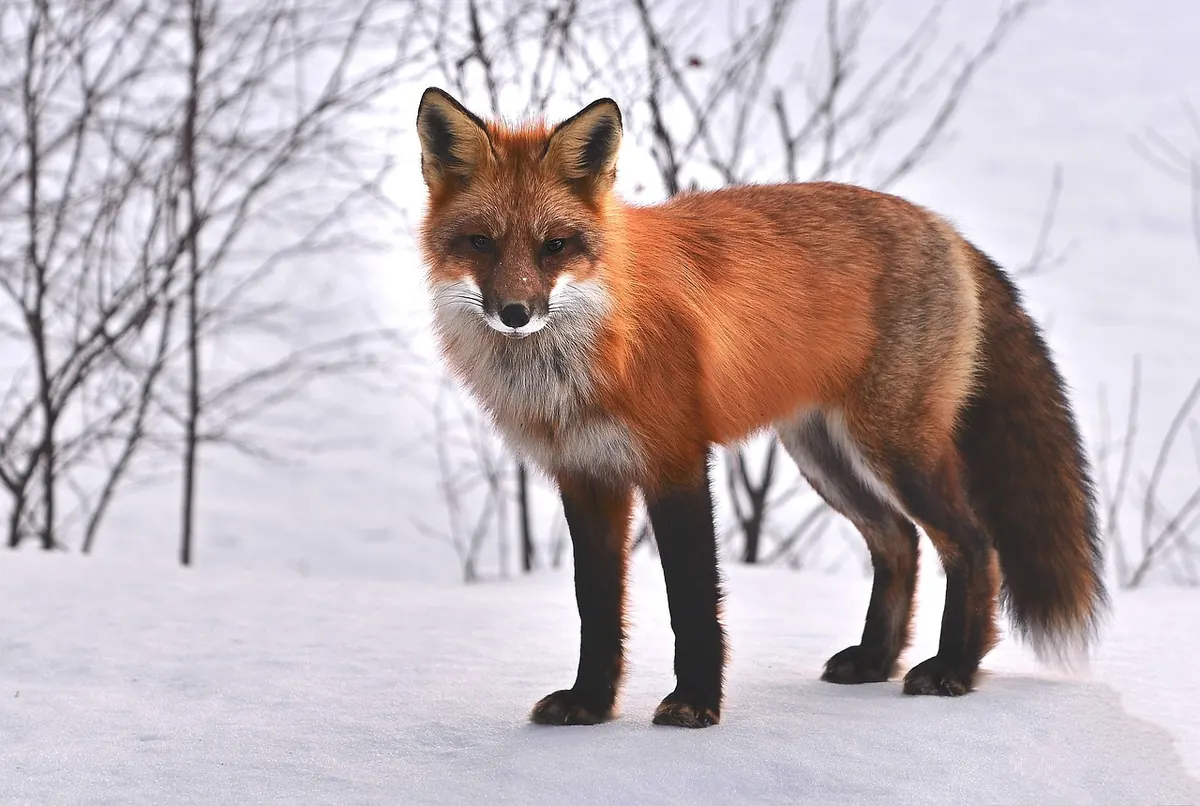

The hedgehog on the verge of a Herefordshire lane is not the same creature as the fox slipping through a Highland pinewood. Fables have always used animals as shorthand for human failings, yet set one in Britain and the shorthand shifts. Our creatures are smaller, our weather is wetter, and our morality tends to arrive quietly, at dusk, without fanfare. The best British fables read less like a lecture and more like something overheard over a gate.
What follows is a workable method: choose the truth you want to leave behind, cast animals who can carry it, plant them somewhere you know, and then get out of the way.
Most first drafts fail here. The writer thinks of a talking badger, then wonders what the badger ought to learn. Flip it. Write one sentence — the thing you actually believe — and make it specific enough to be arguable.
"Pride comes before a fall" is too broad to build on. Security bought with someone else's labour is no security at all gives you a plot. So does the person who waits for perfect weather never crosses the ford. Once you have that sentence, the animals almost choose themselves, and every scene can be tested against it: does this moment sharpen the truth, or merely decorate it?
British wildlife comes with ready-made character. Badgers dig, keep tidy setts and hold their ground. Magpies hoard and chatter. Rooks live in noisy colonies and will mob an intruder. Hares are fast and reckless; dormice sleep through the argument entirely. A heron stands motionless for an hour, then strikes once.
Choose two, or at most three. One who wants something, one who stands in the way, and — if you need a witness — one who watches and says little. Avoid any animal whose habits you would have to explain at length, because explanation kills a fable faster than a weak ending. And resist the imported cast: a hare losing a race to a hedgehog in a Suffolk lane is a fresher, funnier thing than a repeat of a story your reader learned at seven.
Specificity is the whole trick. Not "a wood" but a beech hanger above a chalk stream. Not "a river" but the peat-dark water of the Somerset Levels in February. Not "the coast" but a Cornish cliff where the wind comes off the sea hard enough to lean into.
Three details are usually enough, and they should appeal to different senses:
One accurate detail does more than a paragraph of atmosphere. If you have never stood in the place you are writing about, choose somewhere you have.
Traditional fables use very little dialogue, and that restraint is worth copying. A creature who talks too much stops being a creature. Two or three lines across the whole tale is ample.
Regional speech is where British versions come alive, and also where writers come unstuck. Spelling an accent phonetically often reads as mockery and tires the eye. Prefer rhythm and word choice over apostrophes. A Yorkshire magpie might manage:
“Tha's welcome to it,” said the magpie, “so long as it shines.”
Two markers — one possessive, one idiom — and the reader hears the rest. A West Country hare might be frit of something, or set off in the dimpsy. Keep it that light, keep it consistent, and never let dialect be a character's only trait.
A fable is short: a few hundred words, rarely more than a page. That brevity suits a simple shape.
That third beat is the difference between a fable and an anecdote. If a fox is undone by a trap, that is bad luck. If the fox is undone by the cunning that has served it all along, that is a moral. Two faults to watch for: stating the moral at the start, which removes all interest, and bending an animal's behaviour to make the plot work. A badger that forgets how to dig is not a badger.
The ending should feel discovered, not delivered. Best of all is an image that closes the argument: the magpie on a heap of bright things in an empty wood, the hare alone on the frozen ford.
A final one-line moral is traditional and can work, provided it is short and does not merely repeat what the story showed. Borrowed shelter keeps out borrowed weather earns its place. "And so we learn that we should always be content with what we have" does not. If your last paragraph explains the story, cut it and see whether the tale still stands. It usually does.
Fables were spoken long before they were printed, and the ear catches what the eye forgives. Read your draft aloud, ideally to someone else.
Then put the draft aside for a day. A fable that still works after a night's sleep — with no animal explaining itself and no moral underlined twice — is ready for a reader. These stories were always meant to be passed on rather than published, so make yours short enough to remember and good enough to repeat.
Photo: congerdesign / Pixabay
Timeless tales and fables for every reader.
Copyright © 2026 Fable Page. All rights reserved. Fable Page.